

What we know
What we know: Seeds, preserved hair in tomb point to oldest signs of cannabis high 2,800 years ago, study suggests
Compiled Nov 5
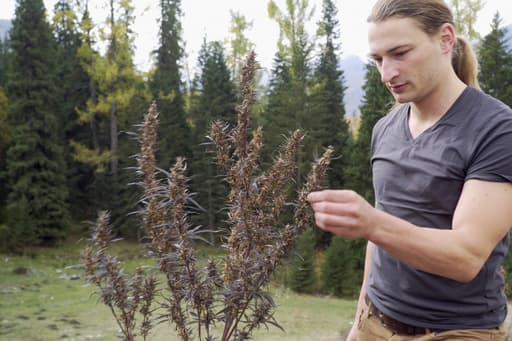
What we know
- A new study suggests people were using cannabis for psychoactive purposes at least 2,800 years ago
- Archaeologists led a dig at a monumental tomb in Siberia and found evidence of early cannabis use for psychoactive purposes
- The findings point to cannabis consumption at least 300 years earlier than previously known use in neighboring China
- The dig took place starting in 2017 at a large burial mound at the Tunnug 1 site in the Uyuk Valley of southern Siberia
- The team found over 1,000 cannabis seeds along with preserved human hair in the royal tomb
- Radiocarbon dating on some of the seeds helped establish the time of origin
- Results were published Thursday in the journal Science
- The Greek historian Herodotus wrote about inhabitants of Central Asia smoking cannabis around 440 B.C.
What we don’t know yet
- It's not clear whether the cannabis was consumed through inhalation or ingestion
- Some independent experts aren't convinced the hair analysis shows cannabis use
- Whether the hair data distinguish actual consumption from external exposure from being buried near the plant material is disputed
Open questions
- Did the ancient people inhale or ingest the cannabis?
- How reliable is hair analysis for proving actual drug consumption versus external contamination?
- Why weren't more rigorous forensic toxicology tests conducted on the hair samples?
- What were the seeds used for if not solely psychoactive purposes (e.g., oil, fiber)?
Drawn from the Associated Press report. “What we don’t know” lists only what the reporting itself flags as unresolved.