
AI in Real Estate
Bridges AI Team
AI Strategy & Engineering
TL;DR — Key Takeaways
- The data behind real estate decisions (records, zoning, comps, market indicators) has grown beyond what manual research handles efficiently.
- AI accelerates early-stage deal screening by aggregating property data and generating structured reports automatically.
- Machine-learning models improve market forecasting, comparable analysis, and automated valuation when combined with professional judgment.
- AI flags risks early: zoning restrictions, ownership complications, record inconsistencies.
- AI does not replace real estate expertise; it frees professionals to focus on relationships, negotiation, and strategy.
The Real Estate Industry Is Experiencing Rapid Data Growth
Real estate still runs on experience, relationships, and local market knowledge. But evaluating a property now means working through public records, transaction histories, tax data, zoning, demographics, comparables, and financing structures. AI systems process thousands of property records, spot patterns in pricing and transactions, and surface what matters, so professionals spend less time researching and more time interpreting.
The National Association of Realtors' REALTOR Technology Survey shows real estate professionals steadily adopting AI-powered tools alongside established technologies, as the industry recognizes that advanced data analytics can improve property valuation, market forecasting, and investment analysis.
AI Accelerates Property Research and Deal Screening
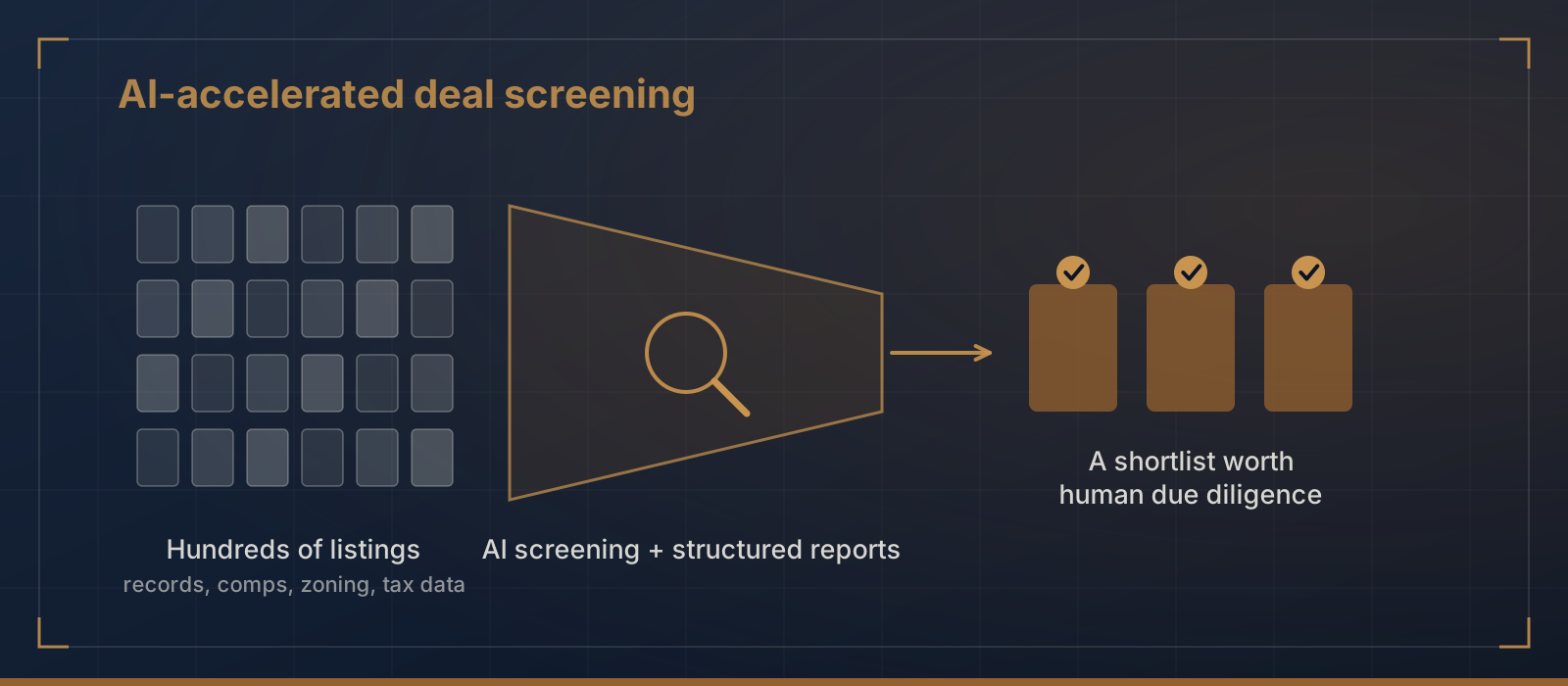
Acquisition teams often review hundreds of properties before finding one worth pursuing, and traditionally that meant gathering records by hand. AI property intelligence platforms aggregate data from many sources into structured reports covering property characteristics, ownership details, comparable sales, and potential risks, so a team sizes up an opportunity in a fraction of the time.
Industry analysts, including McKinsey & Company, have argued that AI-driven analytics can improve real estate investment decision-making by enabling faster property evaluation and better forecasting of market trends.
AI Improves Market Analysis and Forecasting
Pricing trends, population shifts, employment patterns, and infrastructure development all influence property values. AI forecasting tools analyze large volumes of historical transaction data to estimate future property values or rental demand, letting investors and developers identify markets poised for growth before the trend is obvious.
AI Streamlines Property Valuation and Comparable Analysis
Valuing a property means weighing comparable transactions, local conditions, and the property's own characteristics across several databases. AI systems find relevant comparables automatically and estimate valuations from comparable sales, property features, and neighborhood trends. Automated valuation models powered by machine learning are now common across the industry. Research indicates they can significantly improve the speed and accuracy of property valuation when combined with traditional professional judgment (Kok et al., 2017).
AI Enhances Risk Identification and Portfolio Management
Zoning restrictions, tax liabilities, environmental concerns, and ownership complications can all sink a property's viability. AI platforms surface these early by analyzing records and regulatory documents, flagging unusual ownership histories, zoning limits on development, or inconsistencies. Finding risk early lets investors focus due diligence where it counts.
After acquisition, the same tools analyze portfolio-level data: weighing rent trends, occupancy rates, and regional economic indicators to flag properties that could gain from renovation, repositioning, or sale.
AI Allows Professionals to Focus on Strategy and Relationships
Real estate success depends on relationships, negotiation skill, and local market knowledge. When AI handles data collection and analysis, brokers and investors put that time into building relationships, structuring deals, and developing long-term investment strategies instead.
AI does not replace real estate expertise. It is an analytical tool that supports better decisions, and as the industry grows more competitive and data-intensive, the gap between firms that use it and those relying on manual workflows will keep widening.
References
- Kok, N., Koponen, E., & Martínez-Barbosa, C. A. (2017). Big Data in Real Estate? From Manual Appraisal to Automated Valuation. Journal of Portfolio Management, 43(6), 202–211.
- National Association of Realtors. REALTOR Technology Survey.